If you are planning a small custom logo run
Go to small batch custom logo products from China to choose practical logo, packaging, and MOQ routes.
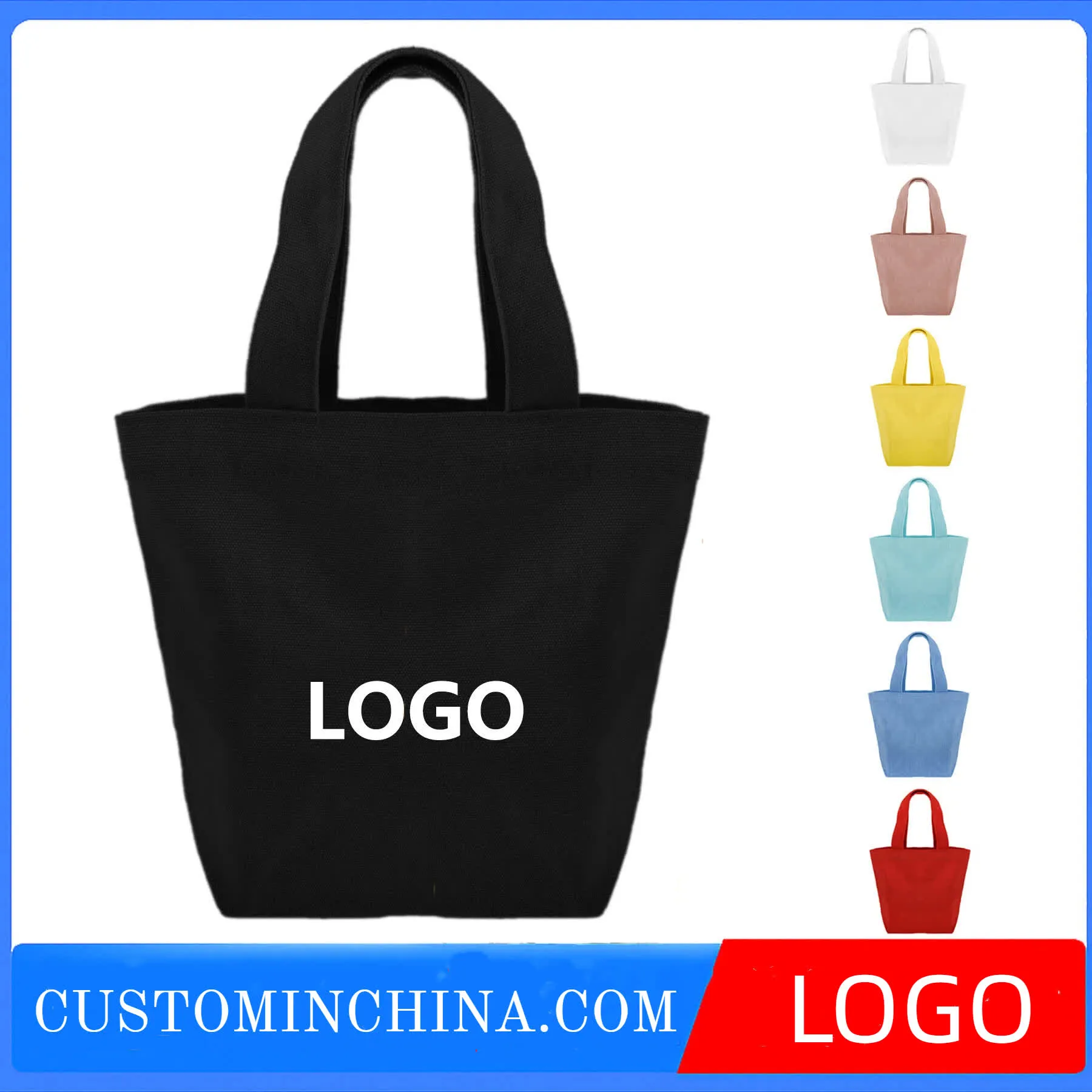
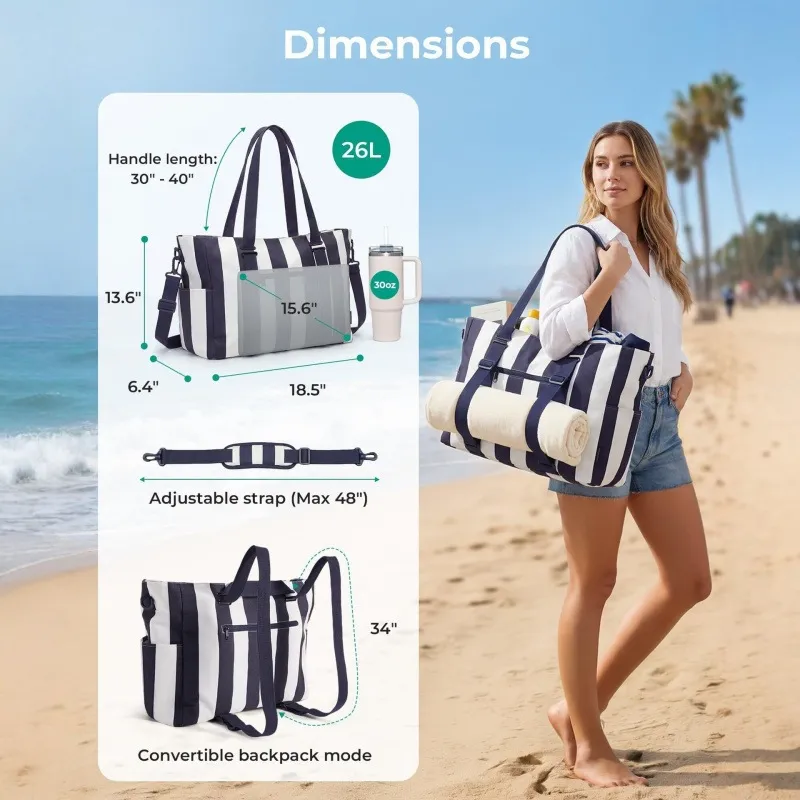
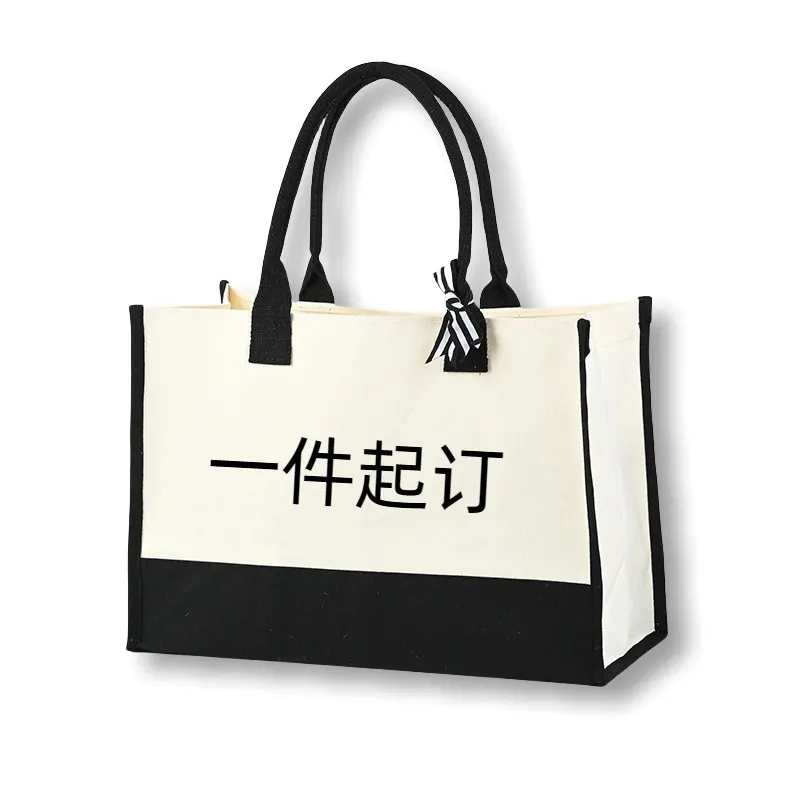
For a 1,000-piece canvas tote bag order, buyers should separate fabric weight, bag size, handle construction, logo method, packing, carton marks, inspection scope, and freight assumptions before choosing the supplier.
This cost breakdown uses a buyer scenario: 1,000 custom canvas tote bags shipped from Shenzhen to Dubai. It is not a final quote. The goal is to show which details should be locked before comparing supplier prices.
The working specification is a standard canvas tote, one side logo print, natural or dyed canvas, reinforced handle stitching, bulk carton packing, and optional individual polybag. The buyer still needs to confirm fabric weight, bag dimensions, handle length, print area, packing style, and destination delivery route.
| Cost line | Planning assumption | Why it changes |
|---|---|---|
| Canvas body | Fabric weight, bag size, handle length | Ounce weight, dyed fabric, stitching, gusset, and handle reinforcement |
| Logo print | Screen print or heat transfer review | Print area, color count, registration tolerance, and ink coverage |
| Packing | Bulk pack or individual polybag | Retail presentation, barcode label, carton count, and warehouse receiving rules |
| QC scope | Size, stitching, logo, packing, carton marks | Thread trimming, handle pull strength, print rub, color consistency, and count accuracy |
| Freight assumption | Air or sea/consolidated freight review | Carton volume, gross weight, deadline, delivery address, and customs document needs |
The base tote price changes quickly when the buyer changes fabric weight, bag dimensions, handle strength, print coverage, or individual packing. Freight also changes because tote bags can become bulky even when the unit price is low.
The weak point in this scenario is print-area control. A buyer may say "one logo" while suppliers assume different print sizes. Next time, the RFQ should include logo width, print position, artwork color count, fabric weight target, carton mark rules, and whether each bag needs a polybag or barcode label.
For canvas tote bags, buyers should lock the fabric weight, bag size, handle length, logo width, print position, stitch reinforcement, and packed-unit plan before comparing supplier prices. A tote that looks similar in a product photo can have very different cost and durability if the canvas ounce weight, handle stitching, gusset, or print coverage changes.
For Dubai delivery, carton volume and packing method matter because tote bags can become bulky. Ask whether the quote includes individual polybags, barcode labels, carton marks, inspection photos, and export packing. If the bags are for an event, the RFQ should include the delivery deadline and any split-shipment need. If the bags are for retail or resale, the quote should include label, hang tag, barcode, and packed presentation details from the beginning.
A practical supplier comparison should show unit cost by quantity tier, logo setup cost, packing cost, carton data, sample timing, and shipping route assumptions. Buyers should ask for one approved sample or pre-production photo set before bulk release. This makes the tote bag quote easier to defend internally because the buyer can compare the same fabric, print, packing, and delivery scope across suppliers.
Planning scenario: 1,000 canvas tote bags; Shenzhen origin; Dubai destination assumption; cost variables include fabric weight, bag size, logo area, packing, carton volume, QC, freight route, and import review.
Fabric weight, bag dimensions, handle construction, logo method, print area, color count, packing style, inspection scope, and freight volume are the main cost drivers.
It depends on the sales channel. Bulk packing is cheaper, while individual polybags, barcode labels, hang tags, or retail packing should be quoted early when needed.
Check fabric weight, bag size, stitching, handle strength, logo placement, print quality, packing count, carton marks, and pre-shipment photos.
Send tote dimensions, canvas weight, logo size, quantity, packing needs, and destination to compare supplier quotes on the same production scope.
Data verified as of 2026-06-30. MOQ, lead time, packaging, and compliance scope should be confirmed against the actual order before purchase order approval.
Decision closure
Use the next step that matches your buying stage.
Go to small batch custom logo products from China to choose practical logo, packaging, and MOQ routes.
Go to factory-direct custom products without marketplace sourcing to build a normalized RFQ before comparing supplier quotes.
Go to the custom product brief form to send artwork, quantity, packaging, and destination details for review.