Manufacturing a private label product in China works best when the buyer treats the project as a controlled production workflow, not a simple search for the lowest supplier. A supplier can only price and produce accurately when the RFQ explains the product, artwork, packaging, inspection expectations, order quantity, destination country, and launch deadline.
This guide is written for B2B buyers, ecommerce brands, importers, promotional product companies, and retailers that want a repeatable private label supply process. If you are still defining the product category, start with the custom products from China sourcing page. If the product already needs labels, hang tags, barcodes, or retail packaging, compare it with the private label products China page before sending quote requests.
Step 1: Turn the Product Idea Into an RFQ
A factory-ready RFQ should be specific enough that two suppliers are quoting the same job. Include product type, reference photos, target material, dimensions, colours, logo file, logo method, target quantity, SKU split, packaging request, destination country, deadline, and any compliance or retailer requirements. Without these details, a low quote may exclude the exact items that matter later: packaging, label work, sample revisions, carton marks, inspection, or realistic freight assumptions.
For a first custom order, do not ask only "how much is this product?" Ask the supplier to confirm assumptions. Which material is quoted? Which logo process is included? Is the packing plain polybag, printed box, hang tag, barcode label, or retail-ready carton? Does the price include a pre-production sample? Which shipping term is used? This is the difference between a rough catalog price and a production quote.
Step 2: Choose OEM, ODM, or Existing Product Customization
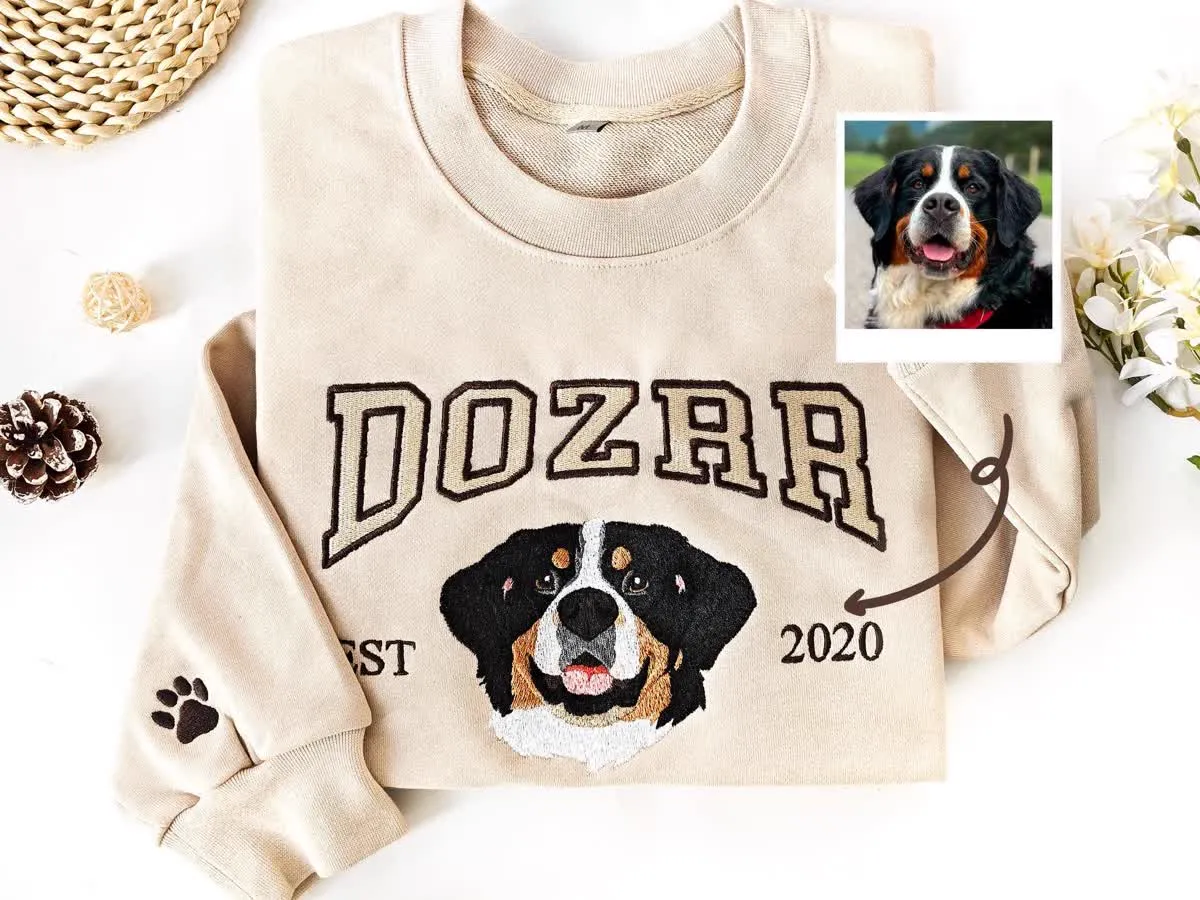
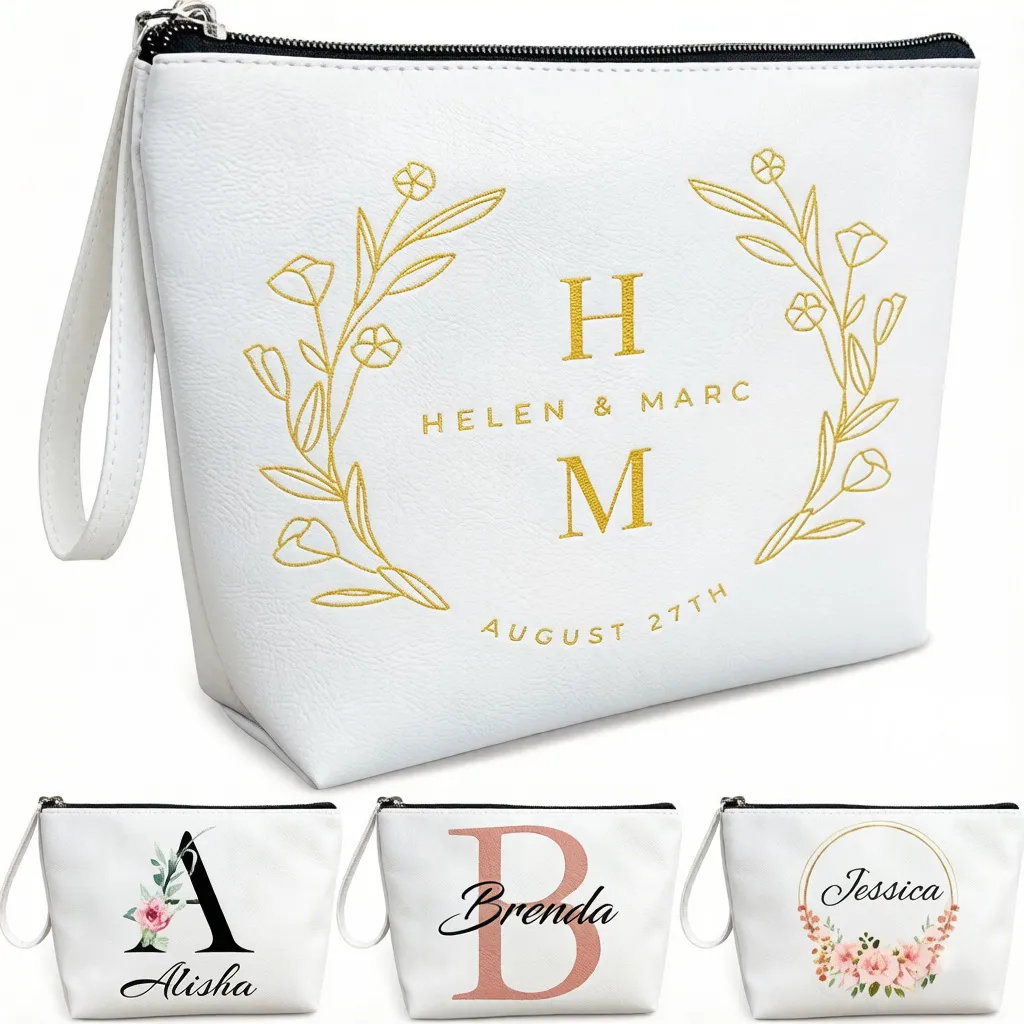
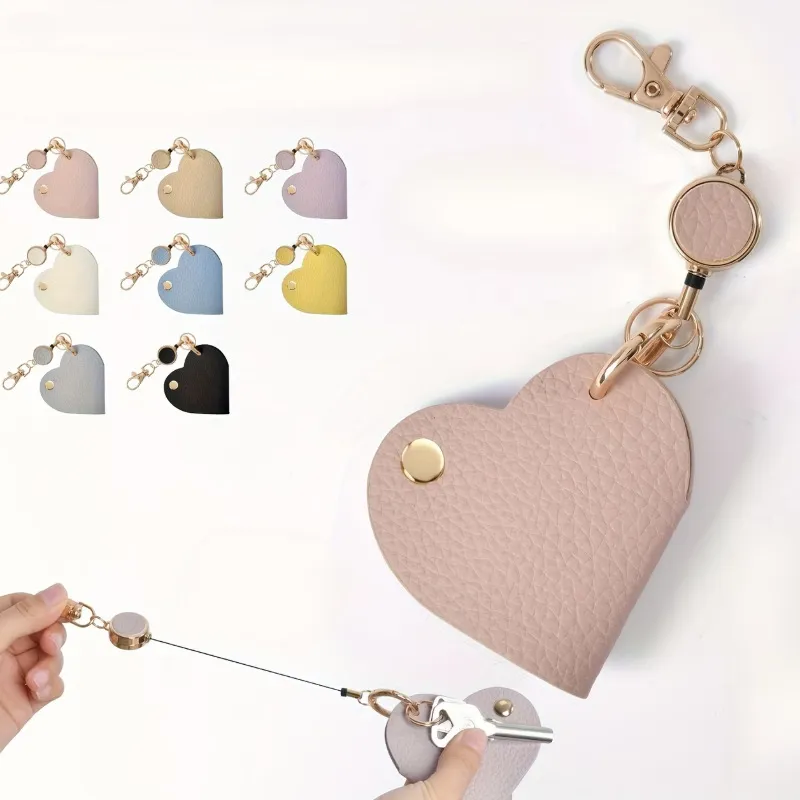
Private label manufacturing is not always a new invention. Many successful products start from an existing product base and add controlled brand details: logo placement, colour adjustment, insert card, barcode label, bundled accessories, or custom retail packaging. This route is usually faster and lower risk than creating a new mould.
OEM work becomes more important when the product structure, size, components, or materials need to change. New mould or tooling work can make sense when the design has a clear selling advantage, but it requires tighter drawings, sample review, tooling ownership discussion, and more disciplined QC. ODM work can sit between these two routes when the supplier already has product development capability and can adapt a design for your brand.
Step 3: Confirm Supplier Fit Before Sampling
Supplier selection should match the product risk. A packaging-heavy gift set needs strong packing and assembly control. A textile product needs colour, stitching, sizing, and label checks. A plastic part may need mould, material, tolerance, surface finish, and durability review. A supplier that is cheap for a simple logo item may not be the right partner for a private label retail product.
Before paying for samples, ask for production photos, similar product experience, available logo methods, packaging examples, normal MOQ, sample lead time, bulk lead time, and inspection checkpoints. If the product has safety, food-contact, electrical, children-related, or market-specific requirements, raise those requirements before quotation. Compliance cannot be added cleanly after bulk production has already started.
Step 4: Use the Sample as the Production Standard
The sample stage is not only for seeing whether the product looks good. It is where the buyer locks the standard for bulk production. Review material, colour, dimensions, logo position, logo sharpness, packaging fit, label wording, barcode placement, insert cards, accessories, and carton information. For private label products, the packed unit is often as important as the product itself.
Keep a written approval record. Save photos, version numbers, artwork files, Pantone references, packaging dielines, carton marks, and any accepted tolerances. If the buyer approves one sample but later changes packaging, label layout, colour, or accessories, the supplier should re-confirm price, MOQ, and production lead time before the purchase order is released.
Step 5: Build Packaging Into the Quote
Packaging is where many private label orders become more expensive than expected. A supplier may quote the product only, while the buyer assumes printed box, hang tag, barcode sticker, polybag warning text, insert card, retail display, master carton labels, or Amazon FBA carton marks are included. Put packaging into the RFQ from the beginning.
Useful packaging files include logo artwork, box dieline, label size, barcode file, warning text, country-of-origin wording, care instructions, carton mark format, and packing ratio. If the buyer does not have finished files yet, the supplier can still estimate the route, but the final quote should wait until packaging scope is clear.
Step 6: Plan QC Before Bulk Production Starts
QC should be defined before the deposit, not after a problem appears. A practical private label QC checklist covers material, colour, size, workmanship, logo position, print quality, packaging accuracy, barcode readability, packed quantity, carton strength, carton marks, and photos before shipment release. Higher-risk orders may need an AQL inspection or third-party inspection before the balance payment.
The buyer should decide which issues are critical, major, or minor. A wrong logo, wrong barcode, unsafe material, missing accessory, or incorrect carton mark can be more serious than a small cosmetic variation. This is why the inspection checklist should follow the selling channel and destination market, not only the factory production habit.
Step 7: Confirm Shipping and Delivery Assumptions
Private label products can ship by express courier, air freight, sea freight, rail, or consolidated logistics depending on volume, deadline, and destination. The cheapest method is not always the best method if the launch date is fixed. Confirm Incoterms, destination address, carton dimensions, gross weight, HS code assumptions, customs documents, and whether the shipment goes to a warehouse, Amazon FBA, retailer DC, office, or event venue.
For repeat orders, keep one production file that includes the approved product, packaging, inspection checklist, carton marks, and logistics notes. This makes the second order faster and reduces the chance that a new staff member or supplier contact reinterprets the project.
Common Mistakes to Avoid
The first mistake is comparing quotes before defining the same specification. The second is approving a visual mockup instead of a production sample. The third is treating packaging as a late design task. The fourth is skipping QC because the first sample looked good. The fifth is assuming the supplier understands the destination-market requirements without seeing them in writing.
A disciplined workflow reduces these problems. Prepare the RFQ, normalize supplier quotes, approve a real sample or clear proof, lock packaging files, define inspection points, and confirm shipping terms before the order moves into bulk production. For a shorter checklist version, see How to Order Custom Products from China.
What to Send CustomInChina for a Private Label Quote
Send product references, target quantity, logo files, packaging notes, destination country, deadline, and any market requirements. If you are not sure whether the product should use existing customization, ODM adjustment, or OEM tooling, we can review the route and identify which details must be confirmed before sampling.
Our buyer guarantee explains how we manage RFQs, samples, packaging checks, QC communication, and issue handling. For after-sales expectations on custom orders, see the Return & Refund Policy.