Buyer sourcing guide
Cheap Promotional Products from China for Bulk Buyers
Cheap in B2B sourcing should mean controlled total cost, not hidden logo charges, unclear packaging, or weak sample control. This page helps buyers compare budget promotional products from China with more realistic assumptions for MOQ, branding, packing, QC, and export shipping.
Low-cost quotes often leave out logo setup, sample work, packing, carton marks, and freight assumptions, so the buyer thinks the order is cheaper than it really is.
Cheap should mean a lower landed cost with clear scope, not a vague promise that becomes expensive once artwork, packing, and QC are added.
This page fits promotional buyers, online shops, event teams, importers, and private label programs that need value pricing without losing control of the brief.
Material, size, logo method, packaging version, order quantity, sample timing, and destination country can all change the final cheap-looking quote.
How Buyers Should Read This Page
This is not a discount list and it is not a thin product catalog. It is a sourcing page for buyers who want cheap promotional products from China without losing control of the assumptions that matter in real procurement. The best question is not only whether a product is inexpensive. The better question is whether it stays inexpensive after logo setup, packing, sample approval, and shipping are all included in the same comparison.
A quote for cheap promotional products becomes useful only when the buyer knows exactly what is being priced. A plain item, a branded item, a retail-ready item, and a campaign kit can all use the same base product but end up with very different landed costs. When the buyer compares a mug, tote bag, or small giveaway item, the quote needs to separate product cost from decoration, packaging, and freight so that the cheapest supplier is not simply the least complete supplier.
For budget campaigns, the item itself often matters less than the commercial structure around it. A small logo gift can still be good quality if the decoration method is simple, the packing is standard, and the sample is approved before mass production. A bigger or more complex item can still be cheap enough if the buyer avoids unnecessary packaging layers, extra color splits, and late changes. In other words, cheap is a pricing outcome, not a product identity.
That is why this page focuses on low-cost items, but it also focuses on how to buy them. Buyers can use it to narrow the product type, compare the decoration method, decide whether the order is a giveaway or a private label program, and understand where the supplier quote should be normalized. That makes the page useful for both search intent and actual RFQ work, which is the point of a core page.
Low-Cost Promotional Product Types Buyers Usually Compare
Different cheap products behave differently in MOQ, packing, and branding. The safest way to compare budget suppliers is to start with the item type, then match it to the logo method and packing version before you ask for a final quote.
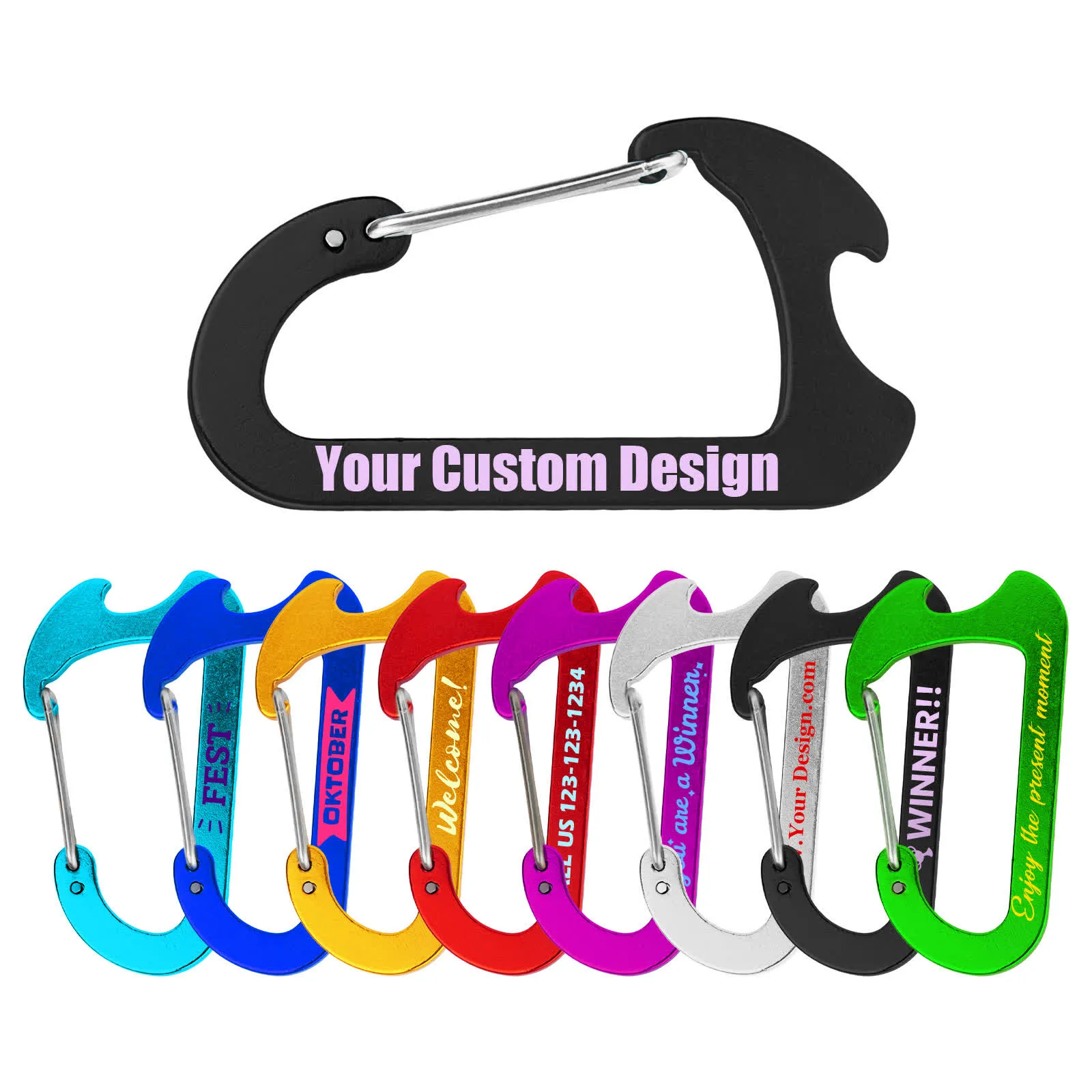
Small logo giveaways
Best for low-cost campaigns when the buyer needs a visible logo, light packing, and fast comparison across several quote options.
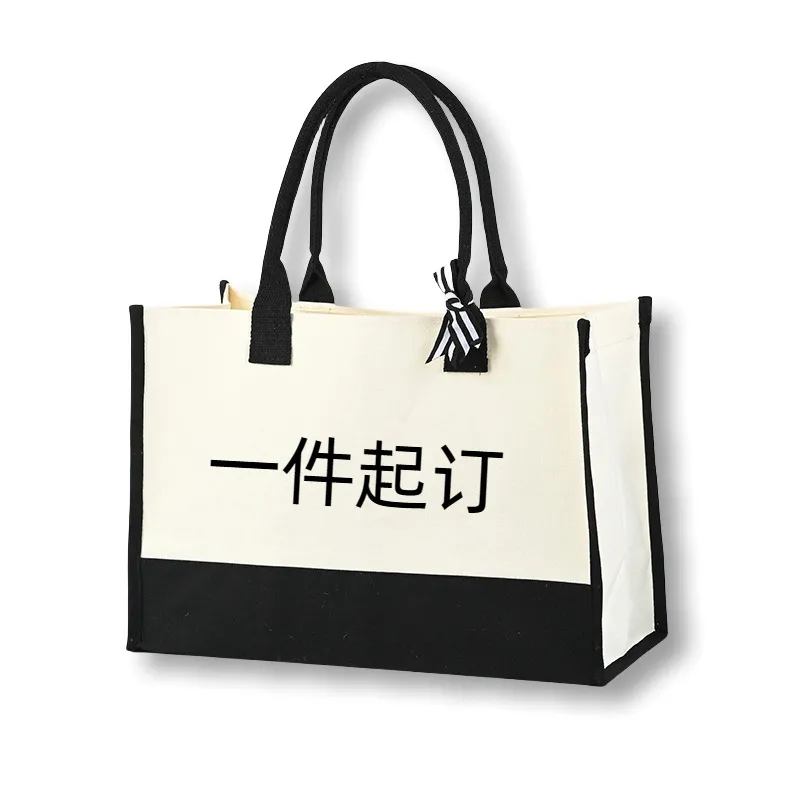
Tote bags and pouches
Useful for mailers, event handouts, bundled gifts, and simple retail programs where unit cost stays reasonable at higher volume.
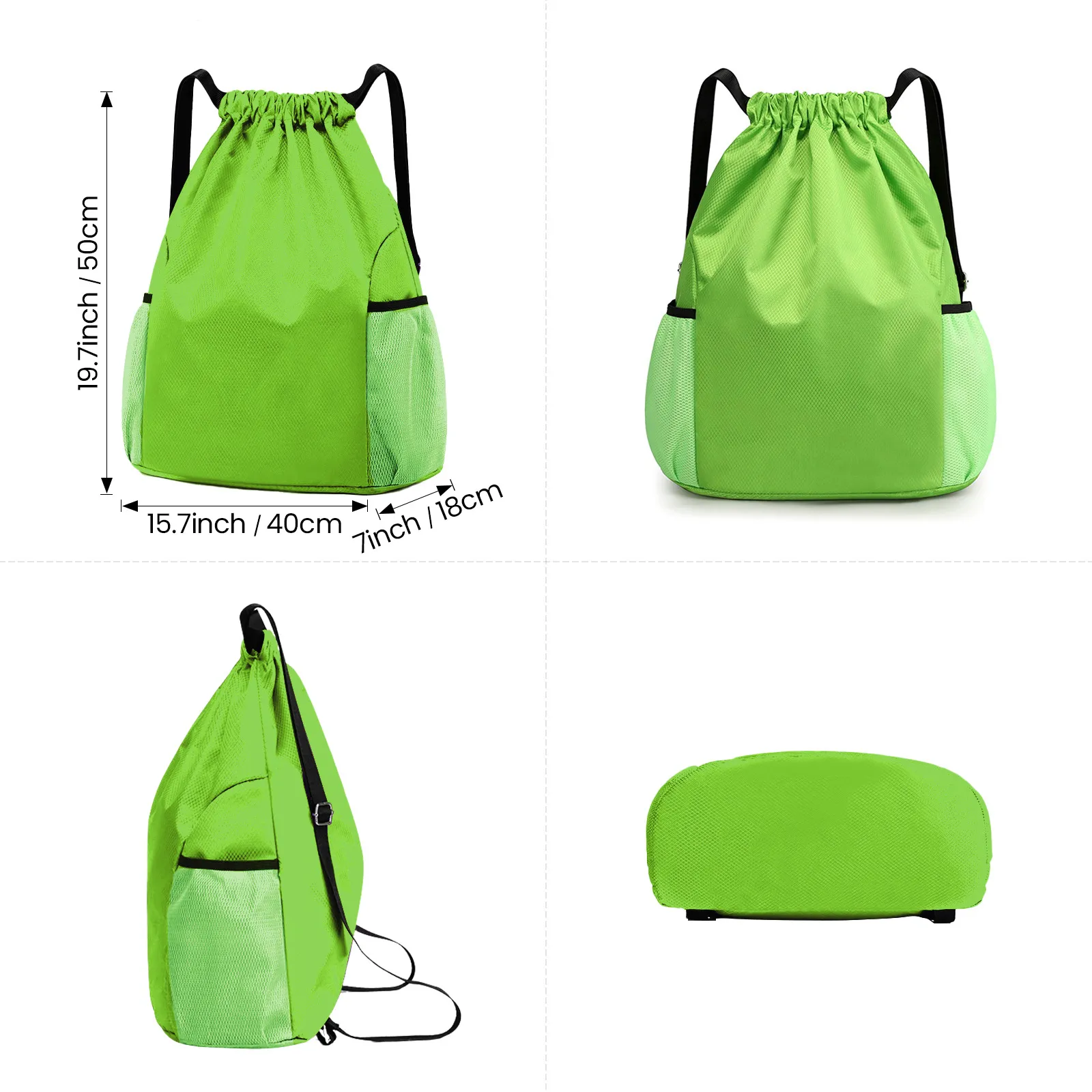
Drawstring bags
A practical budget choice for sports campaigns, school events, and mixed giveaway kits that need a simple shape and strong logo area.
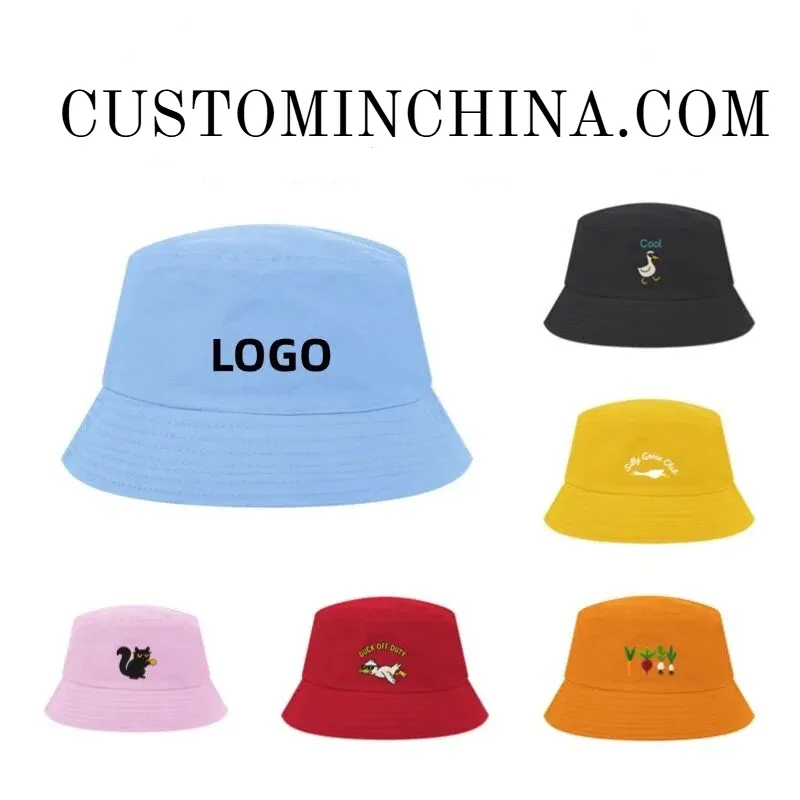
Caps and hats
Good when buyers need a wearble item with repeatable decoration and a price point that still works in bulk order planning.
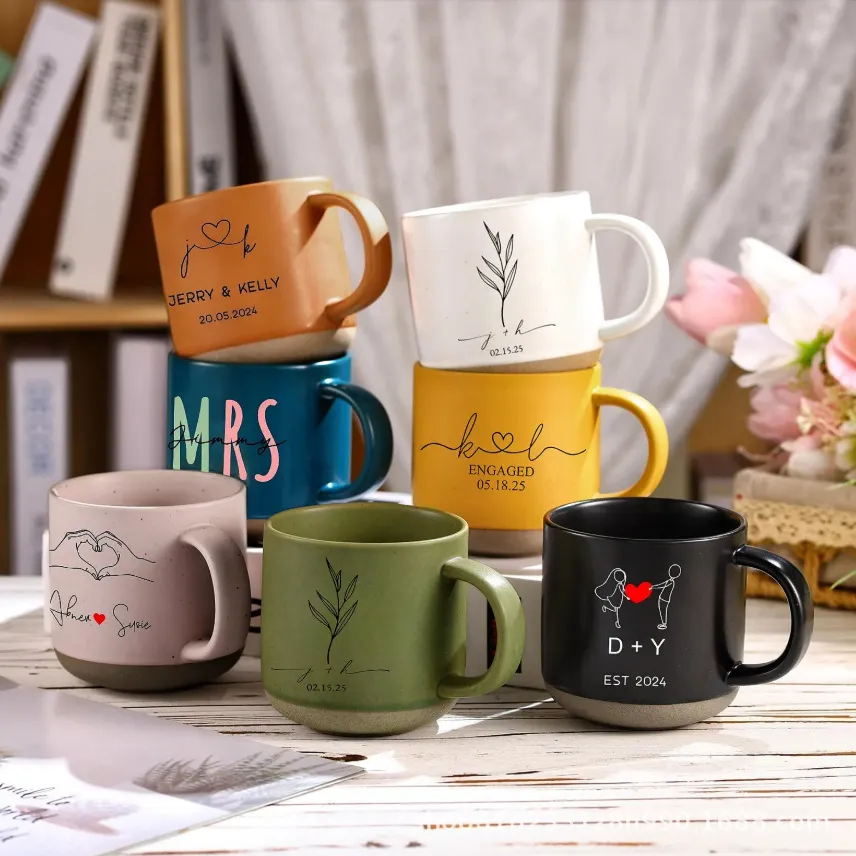
Cheap drinkware
Mugs and simple cups can stay affordable when the logo method, box style, and carton protection are defined before quoting.
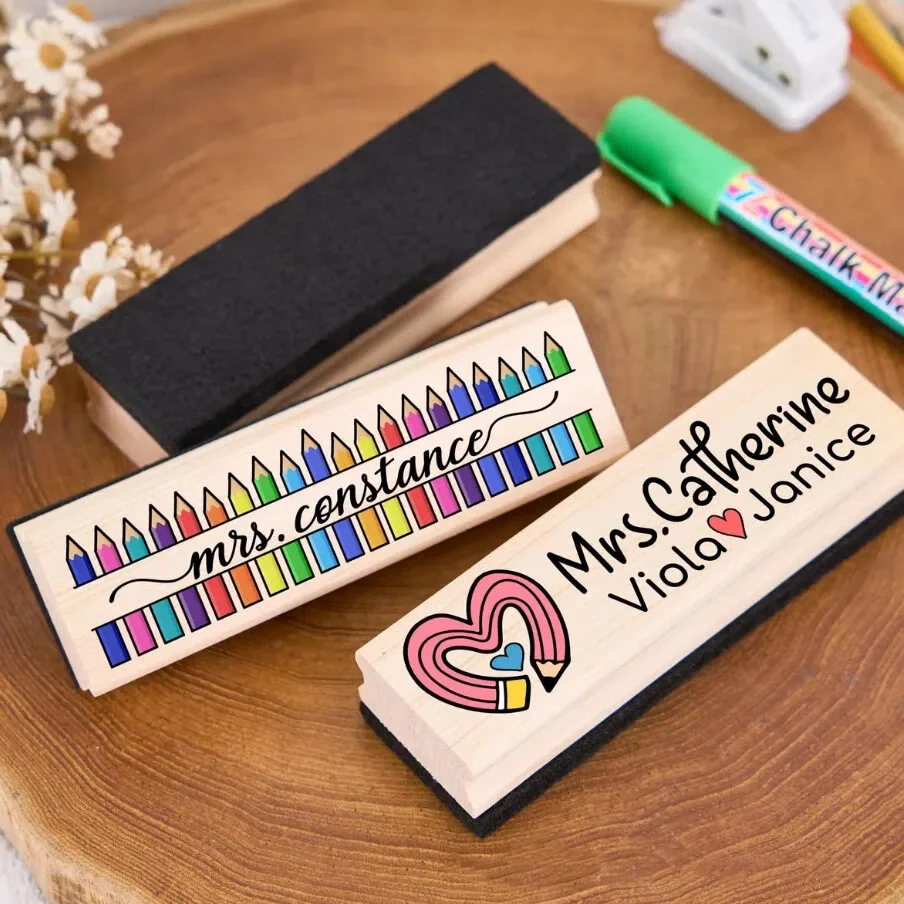
Office and desk gifts
Small desk items, bookmarks, and simple office gifts work well when the buyer wants cheap promotional products with repeatable packing.
What Keeps a Cheap Quote Trustworthy
The cheapest-looking quote is only useful if the assumptions are the same on both sides. Buyers should check whether the supplier has included the same material, the same logo process, the same packing unit, and the same sample standard. When those four parts are not aligned, one quote may appear cheaper simply because it is incomplete. This is common in cheap promotional product sourcing, and it is exactly where budget projects go off track.
Packaging matters more than many buyers expect. A product can look low cost on paper, but if it needs a printed insert, barcode label, polybag, gift box, carton mark, or retail sleeve, the cheap quote can move quickly. The same is true for logo methods. A simple one-color print or engraving may keep the order economical, while multi-color decoration, embroidery, or special finishing can raise the cost fast. The page should make those differences visible before the buyer sends the RFQ.
How Buyers Can Keep Total Cost Low
The most reliable way to keep cheap promotional products cheap is to simplify the production decision before asking for price. Buyers should confirm product type, size, colour count, artwork readiness, packaging version, and delivery country early. A clean brief removes unnecessary back-and-forth and helps the supplier quote the real order instead of a placeholder version. When the project is a campaign gift or bulk giveaway, the buyer should also ask whether the order can stay on one carton style and one decoration method.
If the buyer expects reorders, the first order should lock the sample, the artwork position, and the packing standard. Repeat order stability is part of cheap sourcing because the lowest price on the first order is not useful if later runs need rework. For that reason, cheap should be treated as a controlled sourcing model, not as a race to the smallest visible unit price. Buyers who compare the landed cost correctly usually get a better result than buyers who chase the lowest quote headline.
Cheap Sourcing Models That Work in China
Cheap promotional products are easier to buy when the project follows a clear sourcing model. These models do not depend on city keywords. They depend on how the product is built, packed, decorated, and reordered.
Stock-shape starter route
Start with a proven shape, then control logo, packaging, and carton count. This is the easiest way to keep the first quote cheap without losing order clarity.
Mixed-bulk campaign route
Use when one campaign needs several low-cost items that can share one visual theme but still keep separate SKU and packing assumptions.
Simple private label route
Useful for buyers who want a budget product, but still need consistent labels, hang tags, and repeatable brand presentation.
Sample-first route
The sample locks colour, print, coating, and packed-unit appearance before the buyer compares the bulk quote against other suppliers.
Repeat-order route
Best when the buyer expects the same cheap item to come back in multiple reorders and wants the same size, logo, and packaging each time.
Low-friction office route
Works for mailers, office handouts, and small giveaways where freight weight, packing density, and easy branding matter more than product complexity.
What to Put in a Budget RFQ
A useful RFQ for cheap promotional products should include the product reference, target quantity, logo file, Pantone or colour reference, packaging request, destination country, and deadline. If those items are not supplied together, the supplier may quote a cheaper base product that does not match the real order. That creates false price comparison and makes the buyer think the factory is more expensive than it is.
For a better comparison, buyers should also clarify whether the order is for a giveaway, a campaign pack, a retail shelf, or a private label program. A giveaway can often stay simple, while a retail-ready order needs labels, packaging files, and extra QC. Once that use case is known, the supplier can tell the buyer where the cheap route is safe and where a small upgrade is worth the cost.
How Price Usually Moves
Price breaks usually appear when the order moves from sample quantity to small bulk, then again when it reaches a better factory efficiency band. But quantity is not the only variable. Decoration complexity, packaging version, and whether the item is split across several colours or SKUs can change the break points. A buyer looking for cheap promotional products should therefore compare not only the unit price but also the cost per packed unit and the cost per usable marketing impression.
That is especially important for budget programs that need several different items. One supplier may look cheap on a bottle opener, but not on tote bags or mugs. Another may be strong on simple gifts but weaker on packaging or inspection. The buyer gets the best result when the product type, decoration method, and order structure are matched before price comparison. That is how cheap turns into a repeatable sourcing decision instead of a one-off gamble.
When Cheap Promotional Products Are the Right Choice
Cheap promotional products work best when the buyer needs reach, repeat exposure, or practical handouts rather than a premium gift experience. They are a strong fit for trade show traffic, retail package inserts, mailer campaigns, school and club events, dealer promotions, onboarding kits, and seasonal giveaways where the product must be easy to brand, easy to pack, and affordable at scale.
They are not the best fit when the order needs complex tooling, luxury packaging, many custom colours, or a high perceived-value presentation. In those cases, buyers should separate the low-cost item from the premium item instead of forcing one product to do both jobs. A budget item can still support the brand when the logo is clear, the packed unit looks clean, and the buyer has confirmed the real landed cost before approving bulk production.
Related Sourcing Paths
Cheap promotional product sourcing should connect to the rest of the buyer journey. For a broader product family view, use the custom promotional products China guide. For simple budget ideas and compact items, use the under $1 custom products collection. Those pages help buyers move from a cheap keyword into a more complete sourcing plan.
Event buyers can compare this page with the trade show giveaways collection, where deadline, carton volume, and booth handout logic become more important. Buyers who need a repeatable brand system can use the logo merchandise collection to keep artwork, colours, labels, and packing consistent across reorders.
When Budget Turns Into Brand Value
A cheap product can still support a brand when the buyer chooses the right item for the channel. A low-cost bottle opener may work well as an event handout. A tote bag may work better for retail inserts or mailer campaigns. A mug or desk item may be more suitable for office gifting. For higher perceived value or client-facing orders, buyers can compare options in the corporate gifts collection before deciding whether the budget route is still the right fit.
The goal is not to push every buyer toward a more expensive product. The goal is to choose the lowest-cost product that still matches the use case, brand standard, packing requirement, and delivery risk. That is the difference between cheap sourcing and weak sourcing.
Send a Budget Product Brief
Need a cheap promotional product quote that is still comparable? Send the item reference, quantity, logo file, packaging needs, destination country, and deadline, and we can normalize the assumptions before quoting.