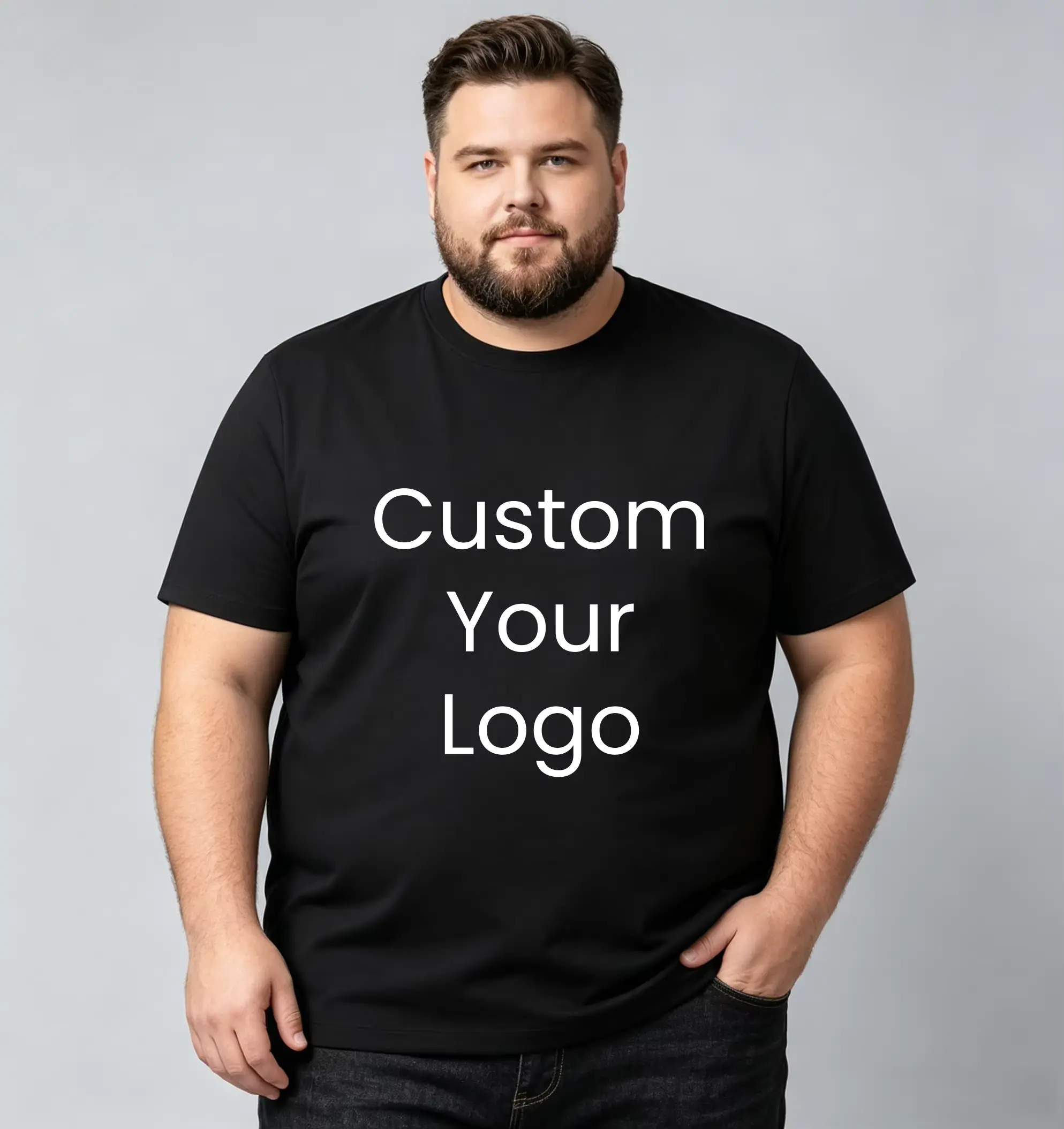
Free digital proof Logo placement preview before bulk production.
Product guarantee Issue handling based on approved specifications.
No hidden setup note Setup costs are stated before order confirmation.
Secure sourcing Sample, QC, packing, and shipping support.
Product Details
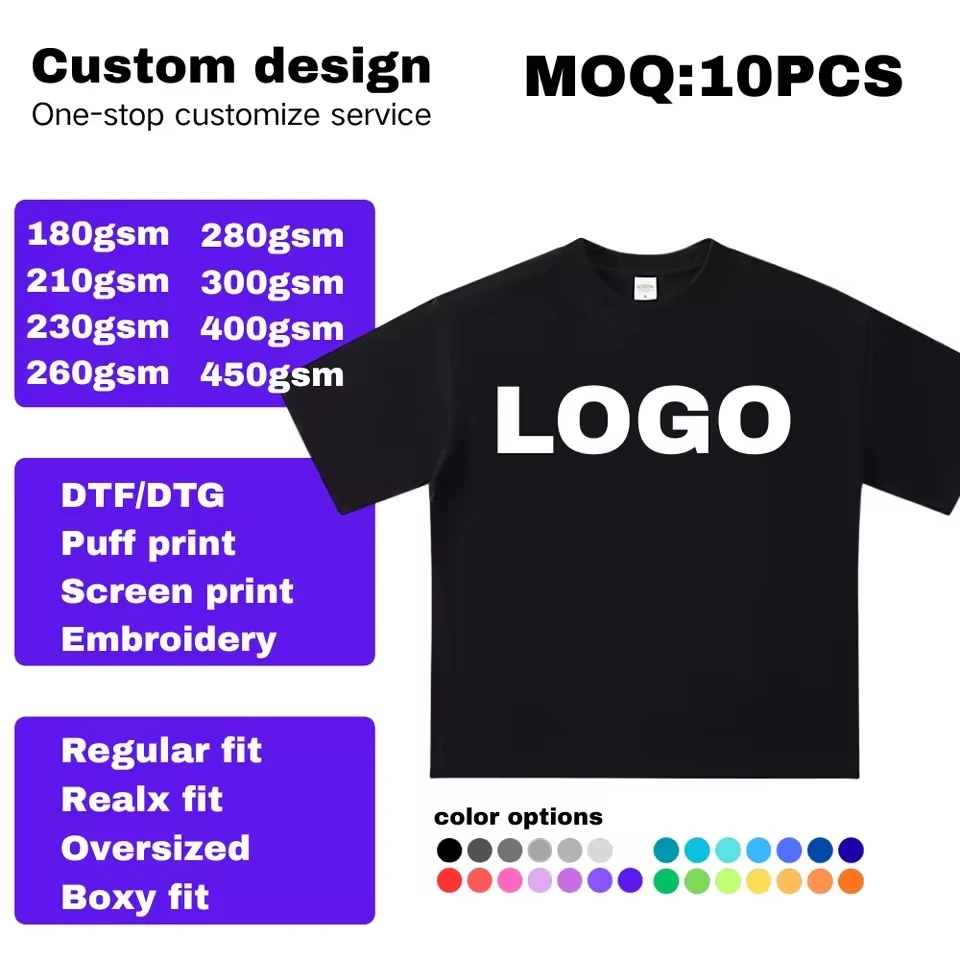
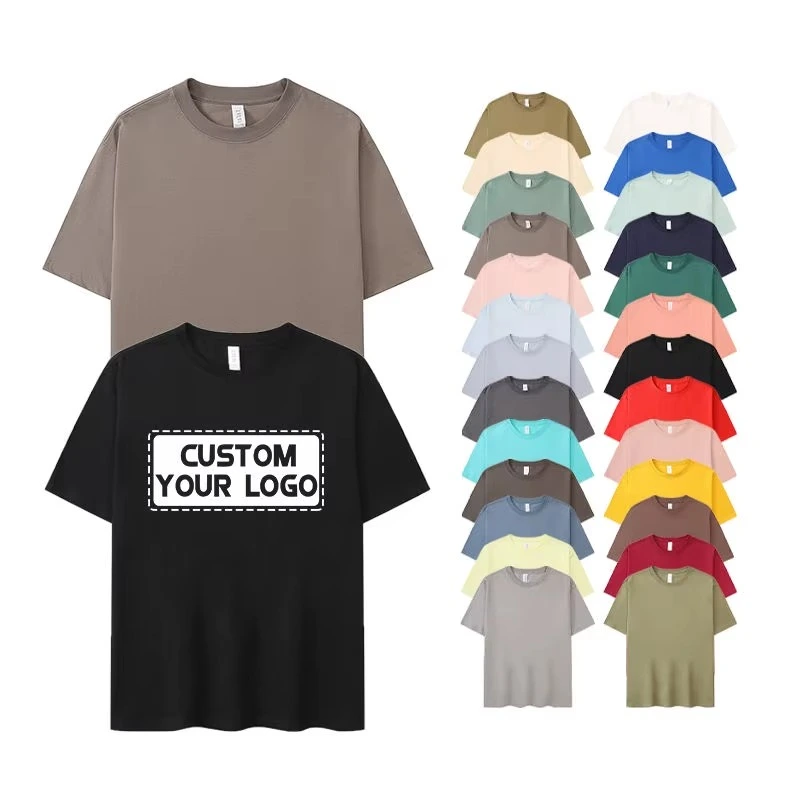
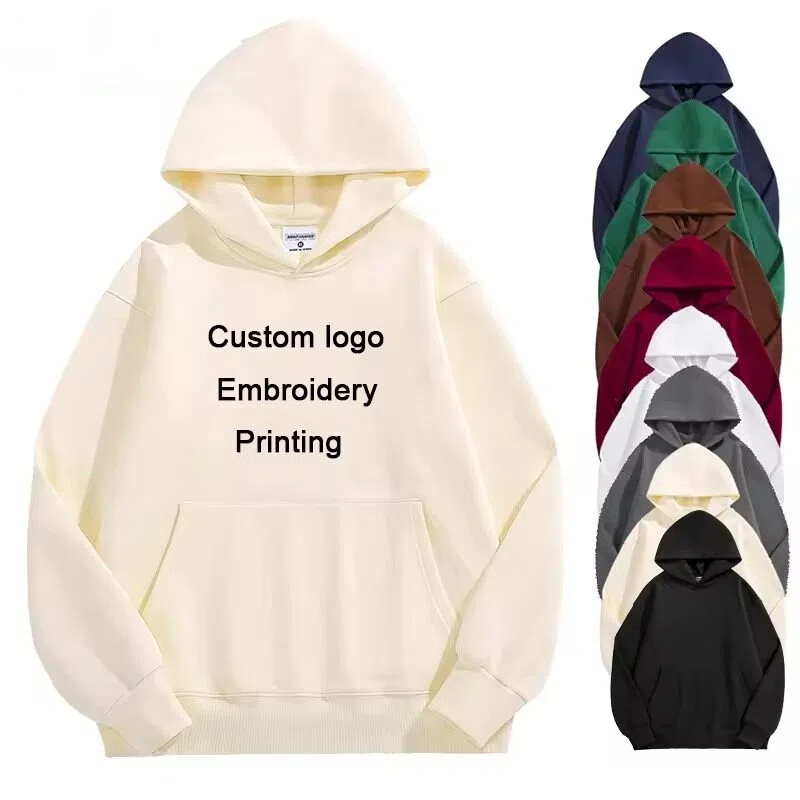
Source custom screen printed t-shirt from China for event organizers, concert merch teams, conference buyers, staff uniform programs, merch shops, schools, and promotional distributors. This SKU page is written for B2B buyers who need a quote-ready apparel product, not a thin catalog item. For screen printed t-shirt orders, the real cost and production risk usually come from the details behind the image: artwork color count, print area, ink type, fabric color, washing durability, print placement tolerance, GSM, and size chart. These variables should be locked before sampling because two suppliers can quote the same-looking product with very different fabric, decoration, label, packing, and inspection assumptions. Common material options include cotton jersey, cotton-poly jersey, ring-spun cotton, lightweight T-shirt fabric, and midweight print-friendly fabric. Buyers should confirm the target hand feel, fabric weight, color standard, shrinkage tolerance, and size chart before asking for a final bulk price. If the product is for resale, private label, or a retail drop, the supplier should also review label placement, care label requirements, barcode rules, polybag size, carton marks, and any retailer documentation before the purchase order is approved. Customization can include screen printing, water-based ink, plastisol ink, puff ink, discharge print where suitable, neck labels, hang tags, polybags, barcode labels, and carton marks. The best logo method depends on the fabric surface, artwork size, color count, durability requirement, and whether the buyer wants a premium retail look or a cost-controlled promotional order. Embroidery is usually stronger for a premium or uniform feel, while screen printing, puff print, DTF, or heat transfer may work better for larger artwork and campaign graphics. Artwork should be checked as a production file, not only as a brand image, because line thickness, placement area, and color references can change the final result. A practical RFQ for screen printed t-shirt should include reference photos, logo files, target quantity, size breakdown, color options, fabric preference, decoration method, label and packaging requirements, destination country, and delivery deadline. Without these details, the first quote may look cheap but fail once sampling, packing, or inspection is added. MOQ is usually a planning number, and the final minimum can change when the buyer splits sizes, colors, artwork versions, or packaging versions. Sample approval should check fit, fabric feel, color, stitching, logo placement, label position, and packed appearance. For this product, QC should pay special attention to print registration, ink coverage, color accuracy, wash durability, logo placement, fabric shade, measurements, neck rib quality, packing count, and carton marks. Bulk production should not be released only from a product photo. It should be based on an approved sample, confirmed size chart, artwork proof, packaging instruction, carton mark, and inspection checklist. This product works well for events, concerts, conferences, promotional campaigns, staff shirts, school programs, merch shops, and bulk logo T-shirt orders. It can also support related apparel sourcing programs such as cotton T-shirts, heavyweight T-shirts, oversized T-shirts, printed sweatshirts, and printed hoodies. If you are comparing suppliers, ask each factory to quote the same fabric, same logo method, same packing scope, same size mix, and same shipping term. That makes the comparison useful and protects the buyer from hidden cost changes after sample approval.
Procurement Summary
Screen Printed T-Shirt can be sourced as a custom B2B apparel product when fabric, sizing, decoration method, labels, packaging, MOQ, sample approval, and inspection requirements are confirmed before bulk production.
Buyer Problem
Buyers comparing screen printed t-shirt suppliers often receive prices based on different fabric weights, decoration methods, size mixes, label setups, and packing scopes. A reliable RFQ must lock these variables before sample and bulk order approval.
Best For
Best for events, concerts, conferences, promotional campaigns, staff shirts, merch shops, and bulk logo T-shirt orders.
Material Notes
Material and construction choices: cotton jersey, cotton-poly jersey, ring-spun cotton, lightweight or midweight T-shirt fabric. Confirm artwork color count, print area, ink type, fabric color, washing durability, print placement tolerance, GSM, and size chart before sampling.
Customization Options
Customization options: screen printing, water-based ink, plastisol ink, puff ink, discharge print where suitable, neck labels, hang tags, polybags, carton marks. Logo method should be chosen after checking fabric surface, logo size, color count, and wash durability.
MOQ Notes
MOQ is a planning baseline. Final MOQ can change by fabric availability, color, logo method, label setup, size spread, packing version, and whether the order is split across designs.
Lead Time Notes
Sample lead time should be confirmed after artwork, fabric, and size chart review. Bulk production is usually planned after sample approval, decoration proof, packaging confirmation, and deposit.
Quality Control
QC should check fabric weight, color, measurements, stitching, logo placement, label position, packing count, carton marks, wash or rub result when needed, and pre-shipment photos before release.
Compliance Notes
Compliance scope depends on fabric, decoration, label claims, and destination market. Confirm fiber content labels, care labels, chemical testing, flammability rules if applicable, and retailer documentation before bulk production.
Data Snapshot
Custom Screen Printed T-Shirt Wholesale | OEM Manufacturer China: MOQ 100 planning baseline; price range USD1.90-USD8.20; apparel production variables include artwork color count, print area, ink type, fabric color, washing durability, print placement tolerance, GSM, and size chart.
Factory Direct Price
Sample Planning Available
Quality Inspection
On-time Delivery Focus
Buyer Review Snapshot
The quotation was clear and helped us compare packaging and freight options.
Frequently Asked Questions
What should buyers confirm before quoting
Confirm fabric, GSM or weight, size breakdown, logo method, artwork file, label requirements, packing scope, destination country, delivery deadline, and whether a pre-production sample is needed.
Can Screen Printed T-Shirt be supplied with private label packaging?
Yes. Private label setup can include woven labels, neck labels, care labels, hang tags, barcode stickers, individual polybags, carton marks, and retail-ready packing after artwork approval.
Why do screen printed t-shirt quotes vary between suppliers?
Quotes vary because suppliers may assume different fabric weights, logo methods, size mixes, label setups, packaging, inspection levels, and shipping terms. Buyers should compare the same production scope.
Related Products
Comparing Suppliers?
Here is why wholesale buyers choose CustomInChina.com:
- Direct factory pricing without middleman markup
- Quality-focused production with AQL 2.5 inspection
- Sample planning before bulk production
- DDP and FOB shipping options
- Private label and custom packaging support
Related procurement pages
All ProductsCustom Products from ChinaCustom Promotional ProductsPromotional Product OptionsTrade Show GiveawaysCorporate GiftsLogo MerchandisePrivate Label ReadySourcing ComparisonsFactory Direct vs Local SuppliersCustom Products Supply ChainChoose China Promotional SupplierCustom ProductsOEM ManufacturingWholesaleCorporate GiftsPrivate LabelCustom BagsDrinkwareApparelHatsHotel SuppliesSports GearFactory ProfileCase StudyRequest Quote